

Growth often requires investment. Whether it's upgrading machinery, expanding a vehicle fleet or investing in new technology, businesses need the right equipment to improve efficiency, increase capacity and meet customer demand.
The challenge is that buying assets outright can place significant pressure on cash flow. Large upfront costs can reduce the funds available for day-to-day operations, stock purchases, recruitment and future opportunities.
Asset finance can help by spreading the cost of equipment over time, allowing businesses to invest while preserving working capital and maintaining financial flexibility.
Asset finance helps businesses acquire equipment without paying the full purchase price upfront.
It can be used to fund a wide range of business-critical assets, including:
Rather than making a large one-off purchase, businesses spread the cost through regular repayments over an agreed period.

Investing in equipment is often essential for growth.
New machinery can increase production, additional vehicles can help meet customer demand, and upgraded technology can improve efficiency.
However, the cost of these investments is often incurred long before the benefits are realised.
For example, a manufacturer that wins a new contract may need additional machinery immediately.
A logistics business may require more vehicles to support expansion. Waiting until sufficient cash reserves have been accumulated could delay growth opportunities.
By spreading costs over time, asset finance allows businesses to access the equipment they need when they need it, helping them invest in growth without creating unnecessary pressure on cash flow.
Working capital is the money available to fund the day-to-day running of a business.
When equipment is purchased outright, a substantial amount of cash can leave the business immediately. This may limit the ability to purchase stock, pay suppliers, manage payroll or respond to new opportunities.
Asset finance helps preserve working capital by converting a large capital expense into manageable repayments. This means businesses can invest in essential assets while retaining cash for operational priorities and future growth.
For many SMEs, maintaining this balance between investment and liquidity is critical.
One of the main advantages of leasing or financing equipment is that it can improve cash flow predictability.
Instead of making a significant upfront payment, businesses make regular repayments that can be built into budgeting and financial planning.
This can help businesses:
By preserving access to cash, businesses can often operate with greater flexibility while still benefiting from the equipment they need.
Buying equipment outright may suit businesses with substantial cash reserves that want immediate ownership of an asset.
However, large capital purchases can reduce liquidity and leave less cash available for other priorities.
Asset finance offers an alternative approach, allowing businesses to spread costs over time while preserving working capital. This can help create greater financial flexibility and reduce the impact a major purchase has on day-to-day operations.
For many businesses, the decision is not simply about acquiring an asset. It's about ensuring investment in equipment doesn't restrict the resources needed elsewhere in the business.
Equipment investment is only one of many financial considerations for growing businesses.
Alongside funding machinery, vehicles and technology, businesses may also need funding to support working capital, stock purchases or expansion plans.
For example, businesses with cash tied up in unpaid invoices may consider invoice finance, while those seeking broader growth funding may explore business loans or other forms of finance.
The right solution will depend on the challenge the business is trying to solve and its wider growth objectives.
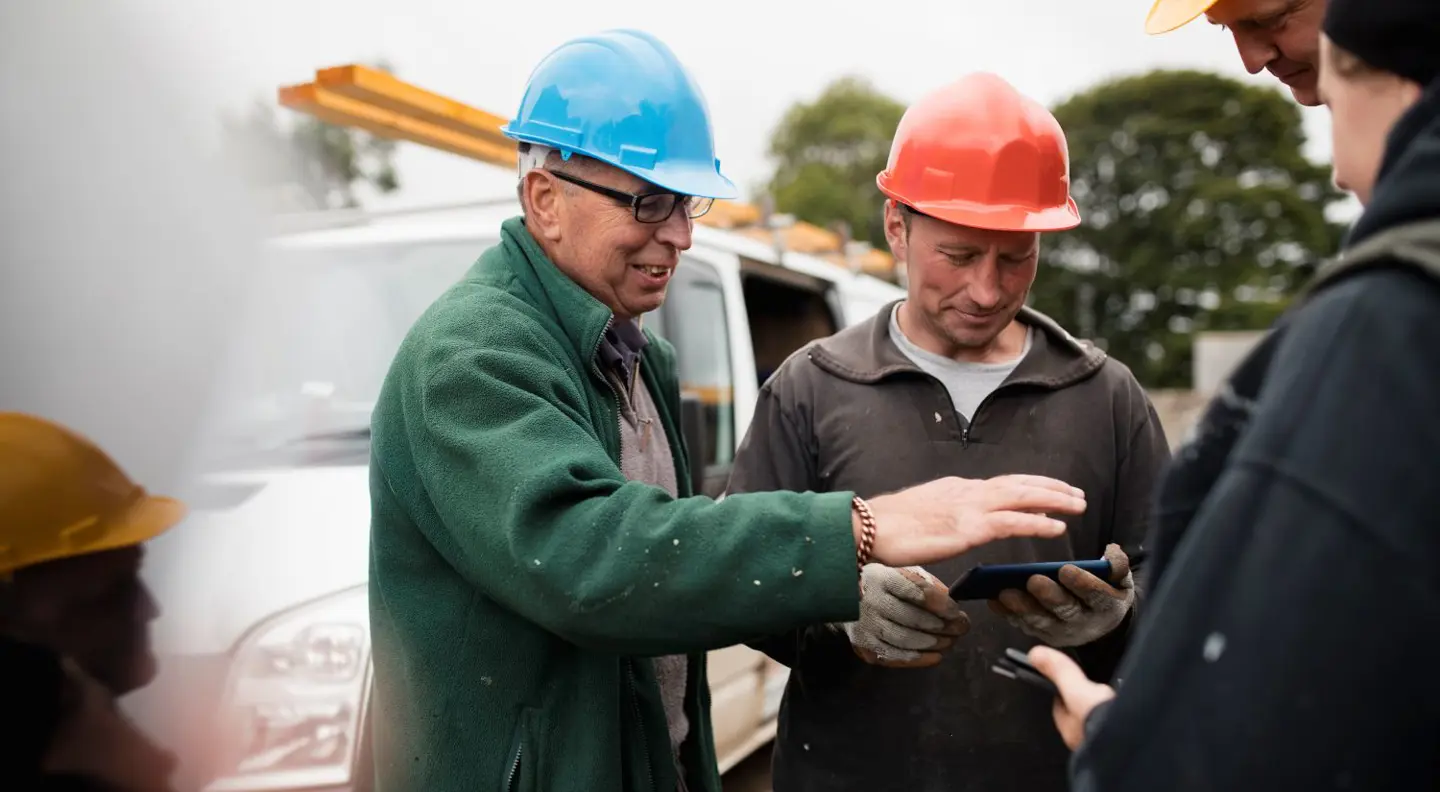
Asset finance offers a number of advantages for growing businesses, including:
For many SMEs, the biggest benefit is being able to invest in productivity, efficiency and growth without compromising day-to-day operations.
Successful businesses need to invest continually to remain competitive. However, they also need sufficient cash to fund operations, manage unexpected costs and pursue new opportunities.
Asset finance can help achieve both objectives. By spreading the cost of equipment over time, businesses can access the assets they need while preserving cash flow and maintaining working capital.
For SMEs looking to grow, that combination of investment and liquidity can provide a stronger foundation for sustainable long-term success.
T&Cs will apply, subject to status and affordability. Any asset used as security may be at risk if you do not repay any debt secured on it.